Know The Breed
About The Dachshund
Bred to go underground after badgers, and somehow now the most opinionated occupant of the sofa. Here is what the breed actually is.
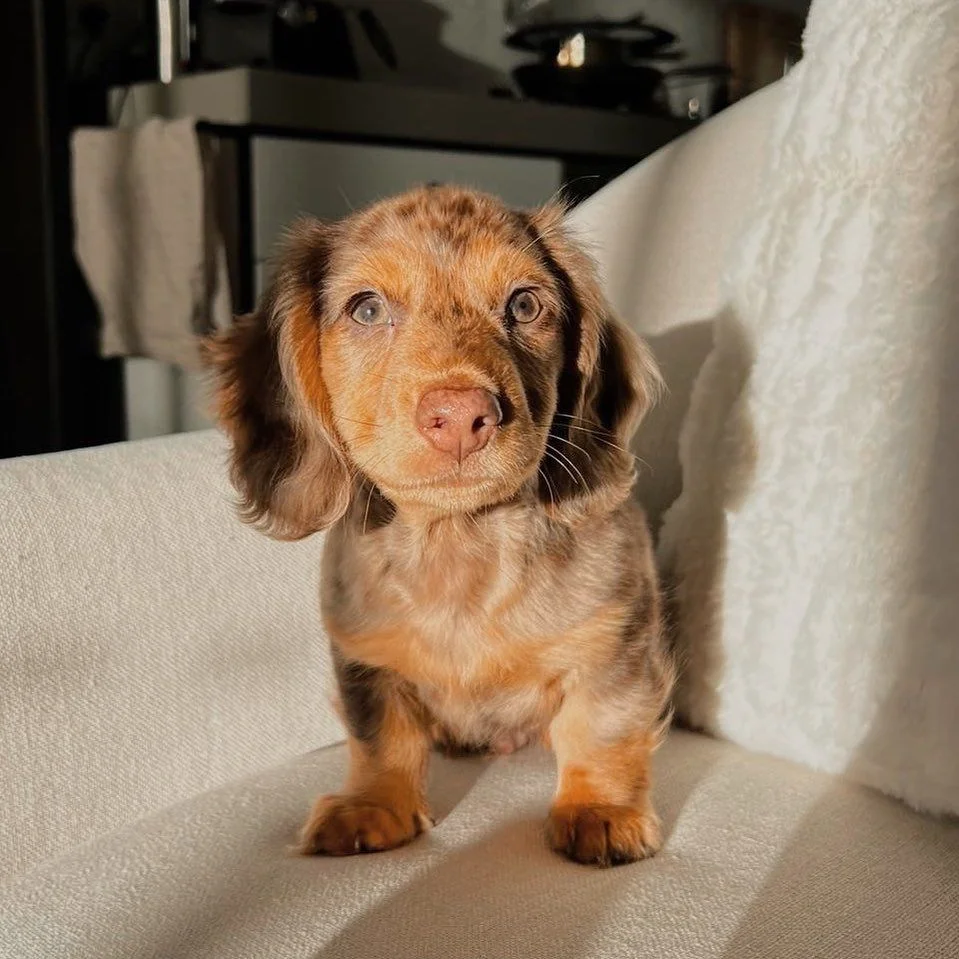
Meet the Dachshund
The Dachshund — the wiener dog, the sausage dog, the teckel — is a hound built long and low for a single job: entering a burrow and confronting whatever is at the end of it. That job is gone. The temperament it required is not. What you get is a small, bold, deeply affectionate dog with a hound's nose, a terrier's nerve and a house cat's commitment to comfort.
The breed at a glance
History and origin
From badger hunter to beloved companion
The Dachshund's origins run back to fifteenth-century Germany, where breeders wanted a dog tenacious enough to dig out burrowing animals and small enough to follow them down. The name is entirely literal: dachs for badger, hund for dog.
The elongated body and short legs were never decorative. They were the specification — enough reach to work underground, enough chest capacity to keep going, enough courage to face something that fights back. Centuries later that same build makes them exceptional companions and slightly unreasonable about stairs.
Sizes
Two recognised sizes, and a great deal of personality in both.
Standard Dachshund
Miniature Dachshund
Coat varieties
Three coat types, each with a different grooming commitment and a slightly different character.
Smooth Coat
Short, glossy and close to the body. The easiest of the three to keep — a weekly brush and the occasional wipe-down is genuinely all it asks. It also shows the breed's architecture off best.
Long Haired
Soft, flowing feathering on the ears, chest, legs and tail. Brush every two or three days to stay ahead of matting behind the ears and under the front legs. The most theatrical of the three.
Wire Haired
A harsh outer coat with a beard and prominent eyebrows, and often the most mischievous expression in the litter. Hand-stripping keeps the texture correct; clipping softens it over time.
Common colours
Temperament
Six traits that show up in nearly every well-bred Dachshund we have raised.
Playful
Curious
Loyal
Brave
Independent
Expressive
Health considerations
Dachshunds are generally robust and long-lived, but the shape that made them useful also creates specific risks worth understanding before you commit.
Intervertebral disc disease
The long spine is the breed's one genuine vulnerability. Discourage jumping on and off furniture, use ramps, keep the weight down, and support the whole body when lifting.
Weight gain
They are extremely persuasive about food, and every extra pound is loaded directly onto that spine. Measure meals, count treats, and ignore the eyes.
Dental health
Small mouths crowd teeth. Brush regularly from puppyhood so it is a routine rather than a fight, and keep annual dental checks on the calendar.
Long, happy lives
Cared for sensibly, a Dachshund commonly reaches twelve to sixteen years. That is a genuinely long commitment — and a very long friendship.
Why they suit family life so well
Dachshunds adapt. A flat, a farmhouse, a couple, a household of children — what they need is company and a role in the day, not acreage. They are portable enough to take everywhere and self-contained enough to settle when you cannot.
At Evercrest Doxies we raise puppies with that adaptability in mind: handled daily, exposed early to ordinary household noise and movement, and placed with families who understand what the next fourteen years actually involve.
Ready to meet one?
Our current litters are described honestly, puppy by puppy, including temperament notes.
Meet Our Puppies